
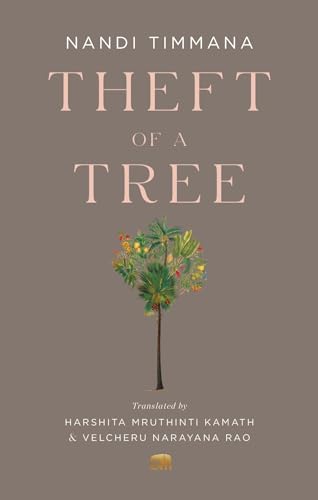
Theft of a tree: a tale by the court poet of the Vijayanagara empire
Material type: TextSeries: Nine jewels from the Murty classical library of IndiaPublication details: London Harvard University Press 2024Description: 186200ISBN:
 - 9780674295933
- JEW N
| Item type | Current library | Call number | Status | Date due | Barcode | Item holds |
|---|---|---|---|---|---|---|
 Books
Books
|
Gandhi Smriti Library | JEW N (Browse shelf(Opens below)) | Available | 186200 |
Legend has it that the sixteenth-century Telugu poet Nandi Timmana composed Theft of a Tree, or Pārijātāpaharaṇamu, to help the wife of Krishnadevaraya, king of the south Indian Vijayanagara Empire, win back her husband’s affections. Timmana based his work on a popular millennium-old Krishna tale.
Theft of a Tree recounts how Krishna stole the wish-granting pārijāta tree from the garden of Indra, king of the gods. Krishna takes the tree to please his favorite wife, Satyabhama, who is upset when he gifts his chief queen a single divine flower. After battling Indra, he plants the pārijāta for Satyabhama—but she must perform a rite temporarily relinquishing it and her husband to enjoy endless happiness.This is the first English translation of the poem, which prefigures the modern Telugu novel with its unprecedented narrative unity.
There are no comments on this title.