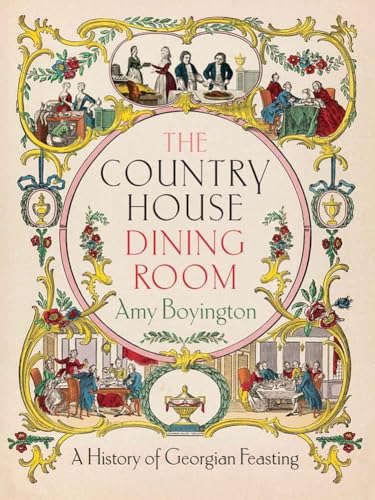
Country house dining room: a history of Georgian feasting
Material type: TextPublication details: London Yale University Press 2026Description: 206pISBN:
 - 9780300276923
- 394.1 BOY
| Item type | Current library | Call number | Status | Date due | Barcode | Item holds |
|---|---|---|---|---|---|---|
 Books
Books
|
Gandhi Smriti Library | 394.1 BOY (Browse shelf(Opens below)) | Available | 186365 |
Browsing Gandhi Smriti Library shelves Close shelf browser (Hides shelf browser)

|

|

|

|

|

|

|
||
| 392.509 CUL Cultural history of marriage : | 392.50954123 MYE Storytime in India : | 392.90973 FRE Free trade agreements | 394.1 BOY Country house dining room: a history of Georgian feasting | 394.12 WRI Writer's feast | 394.150951 TON Chinese tea | 394.2 GUR Indian fairs and festivals: religious and sociocultural |
The eighteenth-century country house dining room was a symbol of social status, wealth, and cultural refinement, operating as both a functional space and a theatrical venue for displaying power. Drawing on the most fashionable architectural styles of the day, these rooms were meticulously crafted to convey the owner’s affluence and sophistication. The design and decoration of the dining room itself became an integral part of the dining experience, with fine art, antique sculptures, and exquisite furnishings enhancing the room’s grandeur. Table settings, featuring intricate porcelain, silverware, and glassware, emphasised the importance of aesthetic presentation, further reinforcing the owner’s social aspirations.
This book charts how the country house dining room encapsulated the social, cultural, and political dynamics of the Georgian era. Through its design, rituals, and contradictions, it served as a microcosm of the broader societal values and hierarchies of the time. Dining was not merely about sustenance, but a reflection of status, identity, and the complexities of social interaction.
There are no comments on this title.